
Sports Injury Rehabilitation: Why Non-Surgical Spine Care Is a Game Changer
Sports injuries are a major challenge for athletes, fitness enthusiasts, and even active individuals who rely on their bodies for daily movement. Among all injuries, spine-related injuries are the most serious because the spine controls posture, movement, balance, and overall body coordination. Even a minor issue in the spine can limit performance, reduce flexibility, and in severe cases, completely stop an athlete from playing.
For decades, surgery was considered the primary solution for severe sports-related spine injuries. But today, the sports and medical world has changed drastically. Modern non-surgical spine care is emerging as a game changer in how athletes recover, heal, and return to peak performance—without the risks associated with surgery.
This blog explores the full journey of how non-surgical spine care is transforming rehabilitation, why it’s preferred by athletes worldwide, and how it can prevent future injuries while boosting overall performance.
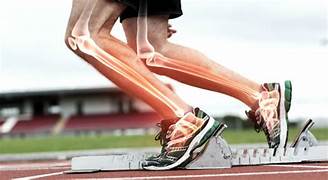
1. Understanding the Impact of Sports Spine Injuries
Sports place tremendous pressure on the body. Quick movements, jumping, running, twisting, lifting, and sudden directional changes create stress on the spinal muscles, discs, and nerves.
Some common spine injuries in sports include:
1.1 Herniated Disc
Occurs when the disc cushioning the vertebrae becomes damaged or slips out of position. This leads to nerve compression and severe pain.
1.2 Sciatica
The sciatic nerve becomes irritated due to disc pressure, causing pain that radiates from the lower back to the legs.
1.3 Facet Joint Pain
Facet joints help with spine flexibility. Injuries create pain during bending or twisting.
1.4 Muscle Strain
Overstretching or tearing of spinal muscles due to intense activity.
1.5 Spinal Misalignment
Incorrect posture, sudden jerks, or repetitive impact can shift the spine out of proper alignment.
Athletes dealing with these injuries face challenges like pain, stiffness, limited movement, and loss of performance. For them, an effective rehabilitation method is crucial.
This is where non-surgical spine care becomes a game changer—offering natural healing without the downtime of surgery.
2. What Is Non-Surgical Spine Care?
Non-surgical spine care includes medical therapies, physiotherapy, chiropractic adjustments, decompression therapy, posture correction, laser therapy, and holistic techniques designed to reduce pain and restore spinal function.
Unlike surgery, which involves cutting tissues, anesthesia, and long recovery time, non-surgical care focuses on:
- Natural healing
- Strengthening spinal muscles
- Improving posture
- Correcting the root cause
- Preventing future injuries
This approach has been adopted in modern sports medicine because it is safe, effective, and athlete-friendly. Many trainers and physiotherapists now consider it a game changer because athletes recover faster and can continue training during treatment.

3. Why Surgery Is Not Always the Best Option for Athletes
While surgery is sometimes necessary, it is often the last option because:
- Recovery time is long
- Surgical risks exist (infection, nerve damage, complications)
- Muscle strength decreases with long bed rest
- Many athletes never return to the same performance level
Even after surgery, athletes may experience:
- Reduced flexibility
- Scar tissue formation
- Slow reaction time
- Fear of reinjury
For many athletes, these factors can affect their entire career. That’s why non-surgical methods are preferred, especially when the goal is fast and effective recovery.
4. Benefits of Non-Surgical Spine Care in Sports Rehabilitation
4.1 Faster Healing
Surgery may require weeks to months of rest. Non-surgical care speeds up recovery, allowing athletes to return sooner. This advantage alone makes it a game changer in the rehabilitation world.
4.2 Zero Surgical Risks
No anesthesia, no cuts, no bleeding, no stitches. The spine heals naturally without risk.
4.3 Treats the Root Cause
Rather than masking pain with medicine, non-surgical care focuses on:
- Correcting spinal alignment
- Reducing disc pressure
- Relieving nerve compression
- Improving posture
- Strengthening weak muscles
This long-term approach is another reason it’s considered a game changer.

4.4 Improves Overall Athletic Performance
A healthy spine enhances:
- Flexibility
- Range of motion
- Balance
- Coordination
- Power
Spine rehabilitation not only heals injuries but also boosts performance.
4.5 Affordable and Accessible
Surgery can be extremely expensive. Non-surgical care is cost-effective and available in most rehabilitation centers.
4.6 Minimal Downtime
Athletes can continue light training during treatment, keeping their body active and fit.
5. Types of Non-Surgical Spine Treatments Athletes Use
Non-surgical spine care is a combination of various therapies, each designed to target specific issues.
5.1 Spinal Decompression Therapy
This is often described as a game changer for disc-related injuries.
It gently stretches the spine, reducing pressure on discs and nerves.
Benefits:
- Relieves back and leg pain
- Creates space for damaged discs to heal
- Improves mobility
5.2 Chiropractic Adjustments
Chiropractors realign the spine using precise manual adjustments.
Benefits:
- Restores spinal alignment
- Reduces nerve pressure
- Improves posture
- Enhances flexibility
5.3 Physiotherapy
Physiotherapists use exercises, stretching, and strengthening techniques to rebuild the spine.
Benefits:
- Strengthens core muscles
- Improves stability
- Enhances athletic endurance
5.4 Laser Therapy
Low-level laser therapy helps reduce inflammation and speeds up tissue healing.
Benefits:
- Fast pain relief
- Improved blood circulation
- Reduced muscle spasms
5.5 Sports Massage Therapy
Targets deep muscle tension created during intense sports activity.
Benefits:
- Breaks down knots
- Improves muscle relaxation
- Reduces stiffness
5.6 Posture Correction Programs
Athletes often develop poor movement patterns. Correcting posture prevents overloading certain parts of the spine.
Benefits:
- Reduces future injury risk
- Aligns the body for optimal performance
5.7 Heat & Cold Therapy
Used for reducing swelling and increasing flexibility.
6. How Athletes Benefit Mentally from Non-Surgical Care
Recovery is not just physical—mental strength matters too.
Non-surgical rehabilitation helps athletes stay motivated because:
- They don’t have to fear surgery
- They stay active during recovery
- They see gradual progress weekly
Avoiding surgery also reduces stress and boosts confidence. This mental uplift is often described as a game changer for athletes recovering from spine injuries.
7. Customized Treatment: Why It Matters in Sports Rehabilitation
Every sport places unique stress on the spine.
For example:
- Football players experience high-impact collisions.
- Weightlifters put intense pressure on the discs.
- Cricketers face repetitive twisting movements.
- Swimmers require high back flexibility.
- Runners depend on posture and balance.
Non-surgical care allows personalized treatment plans based on the athlete’s sport, body type, and injury. This personalization is another reason the method is a game changer.

8. Transitioning Back to Sports After Non-Surgical Rehab
Returning to sports too soon can cause reinjury. Non-surgical treatment includes step-by-step return-to-play programs such as:
- Flexibility training
- Strength conditioning
- Balance and stability training
- Movement correction
- Load management
Athletes gradually increase intensity until they reach full performance levels. This safe transition prevents injuries from coming back.
9. Preventing Future Spine Injuries
Non-surgical spine care not only cures injuries but also teaches athletes how to avoid them. Prevention techniques include:
9.1 Core Strengthening
A strong core protects the lower back.
9.2 Proper Warm-Up and Cool-Down
Prepares muscles and joints for intense activity.
9.3 Posture Training
Helps athletes maintain correct spine position during sports.
9.4 Flexibility Exercises
Reduces stiffness and improves movement patterns.
9.5 Avoiding Overtraining
Gives the body time to recover.
These preventive strategies become a game changer for long-term spine health.
10. Real-Life Benefits Experienced by Athletes
Athletes who switch to non-surgical care often report:
- Reduced pain
- Increased mobility
- Better performance
- Improved training capacity
- Faster return to sports
- Lower injury recurrence
Many professionals openly state that avoiding surgery saved their career.
11. Final Thoughts
Non-surgical spine care is transforming the way athletes recover from sports injuries. With faster healing, natural treatment methods, personalized rehabilitation plans, and performance-enhancing benefits, it is truly a game changer in modern sports medicine.
It allows athletes to heal safely, return stronger, and stay active without undergoing risky surgical procedures. For anyone suffering from spine-related sports injuries, non-surgical spine care offers a powerful, proven, and athlete-friendly path toward full recovery.
